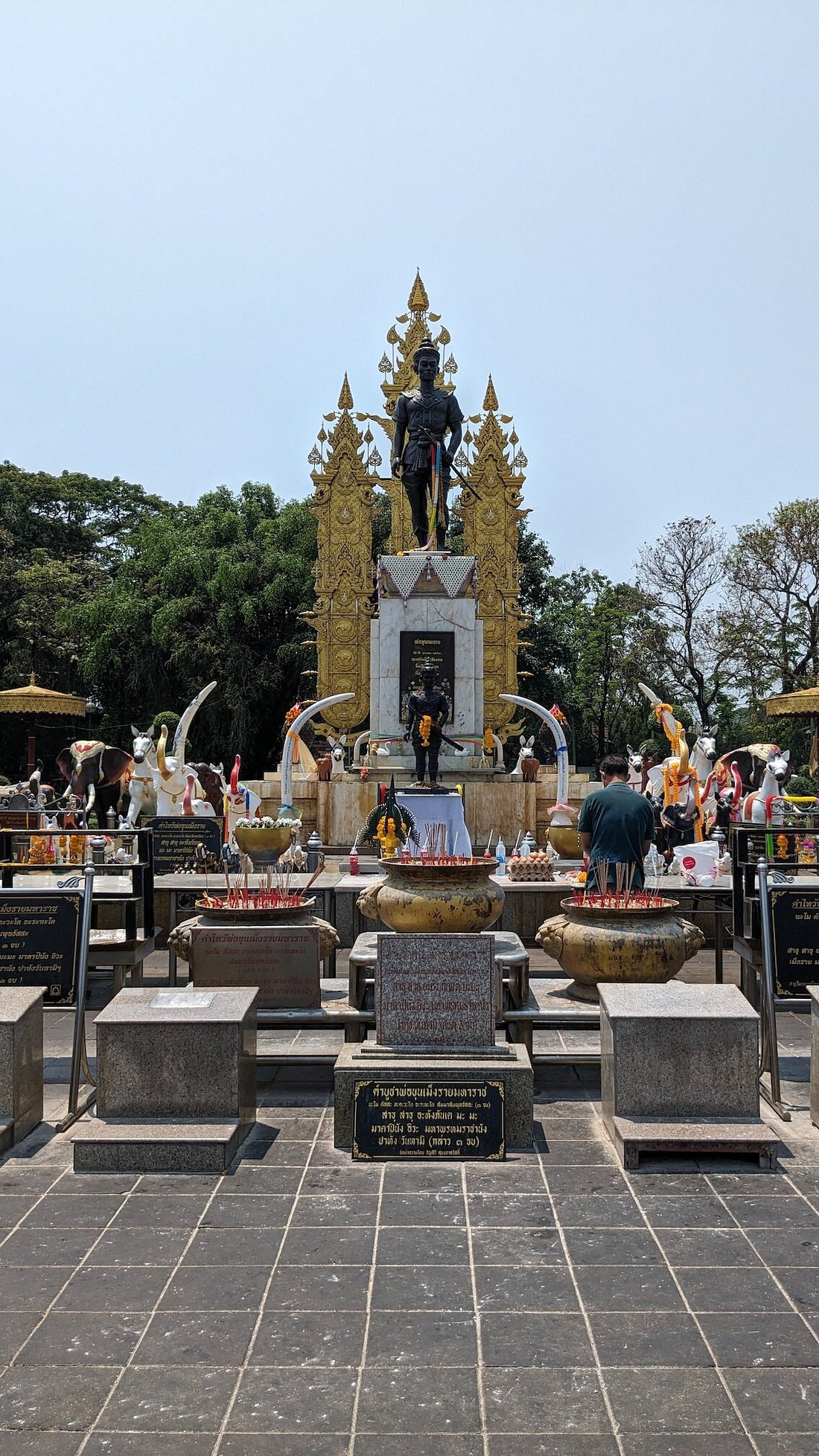
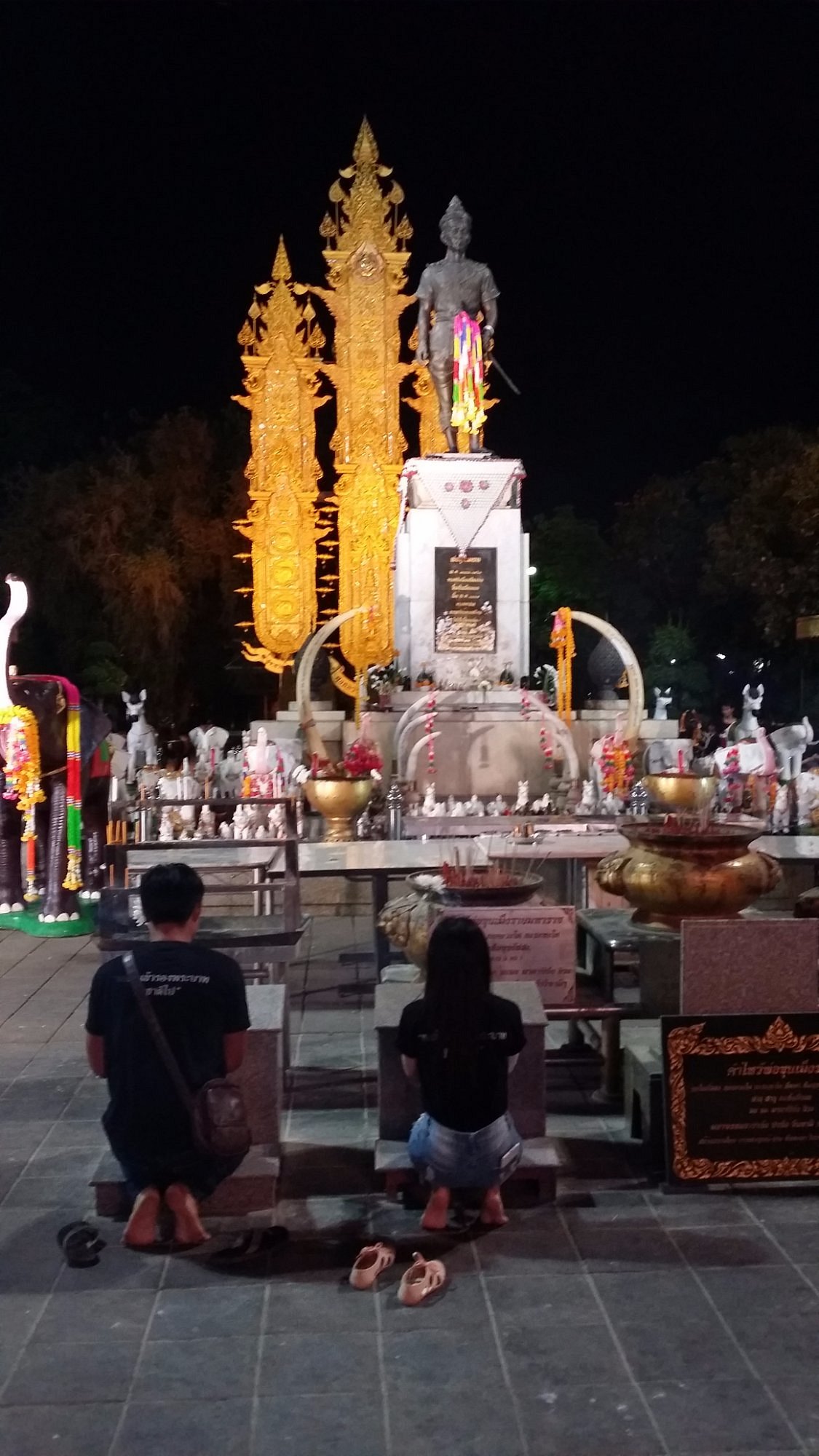
"King Mangrai the Great nurtured Buddhism and the monks and novices, both those residing in villages and those in forests, providing them with the four necessities, encouraging them to study and practice the Dharma and Vinaya to the best of their abilities. Later, he learned that King Ramkhamhaeng the Great, his friend and ruler of Sukhothai, had sent envoys to invite monks from Sri Lanka, who were residing in Nakhon Si Thammarat, to teach Buddhism to the people of Sukhothai. The Sri Lankan monks were renowned for their profound knowledge of the Tripitaka and strict adherence to the Dharma and Vinaya, surpassing even the existing Thai monks. This inspired great faith in Chiang Mai, and the king desired to have Sri Lankan monks as the center of Buddhism in the city. He therefore sent officials to request five Sri Lankan monks from King Ramkhamhaeng the Great. Upon receiving the five Sri Lankan monks, led by the Venerable Maha Kassapa, the king hesitated, unsure of where to reside them. Bringing him to live with the traditional Thai monks, both those residing in the villages, was feared to cause discomfort to the Sri Lankan monks because their customs and traditions might be different.
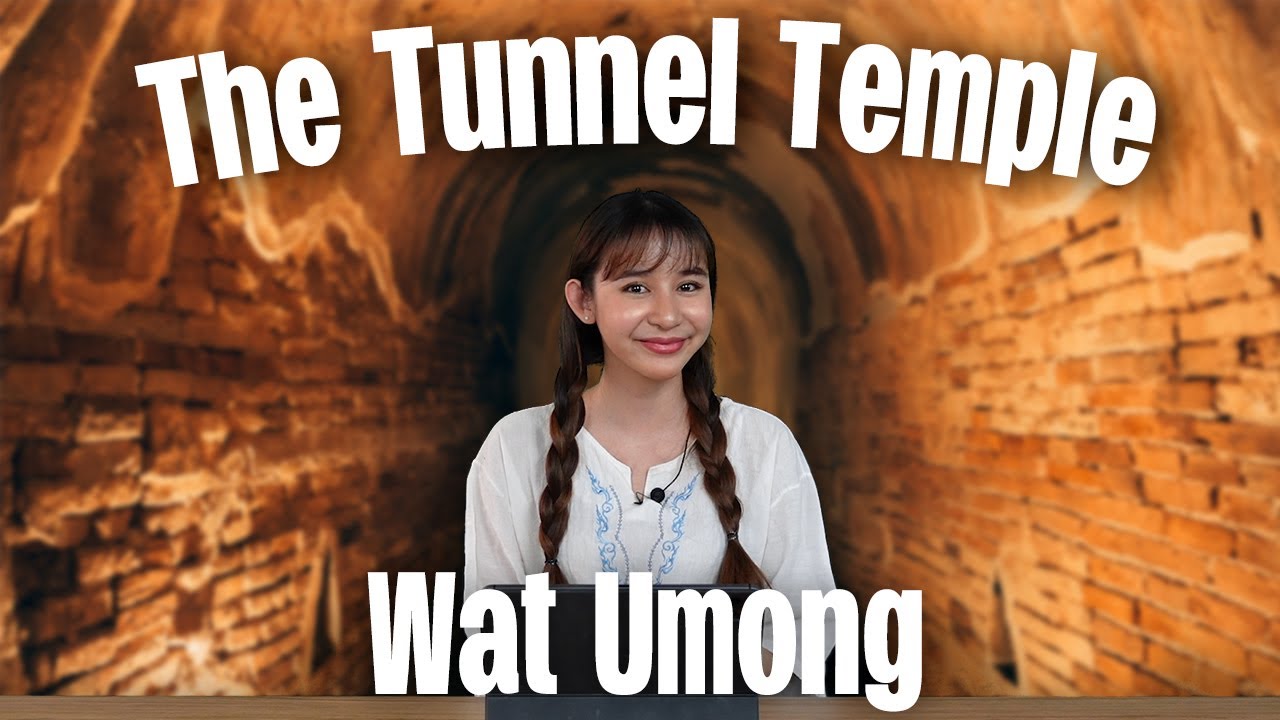
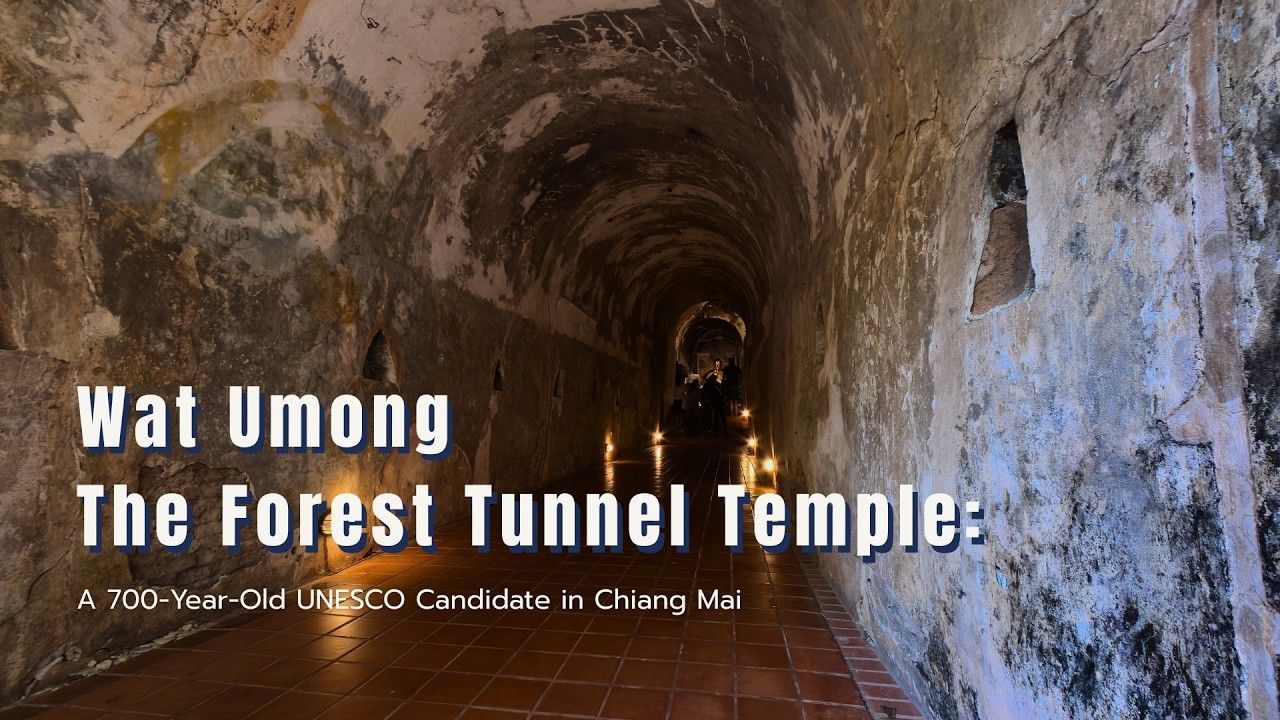
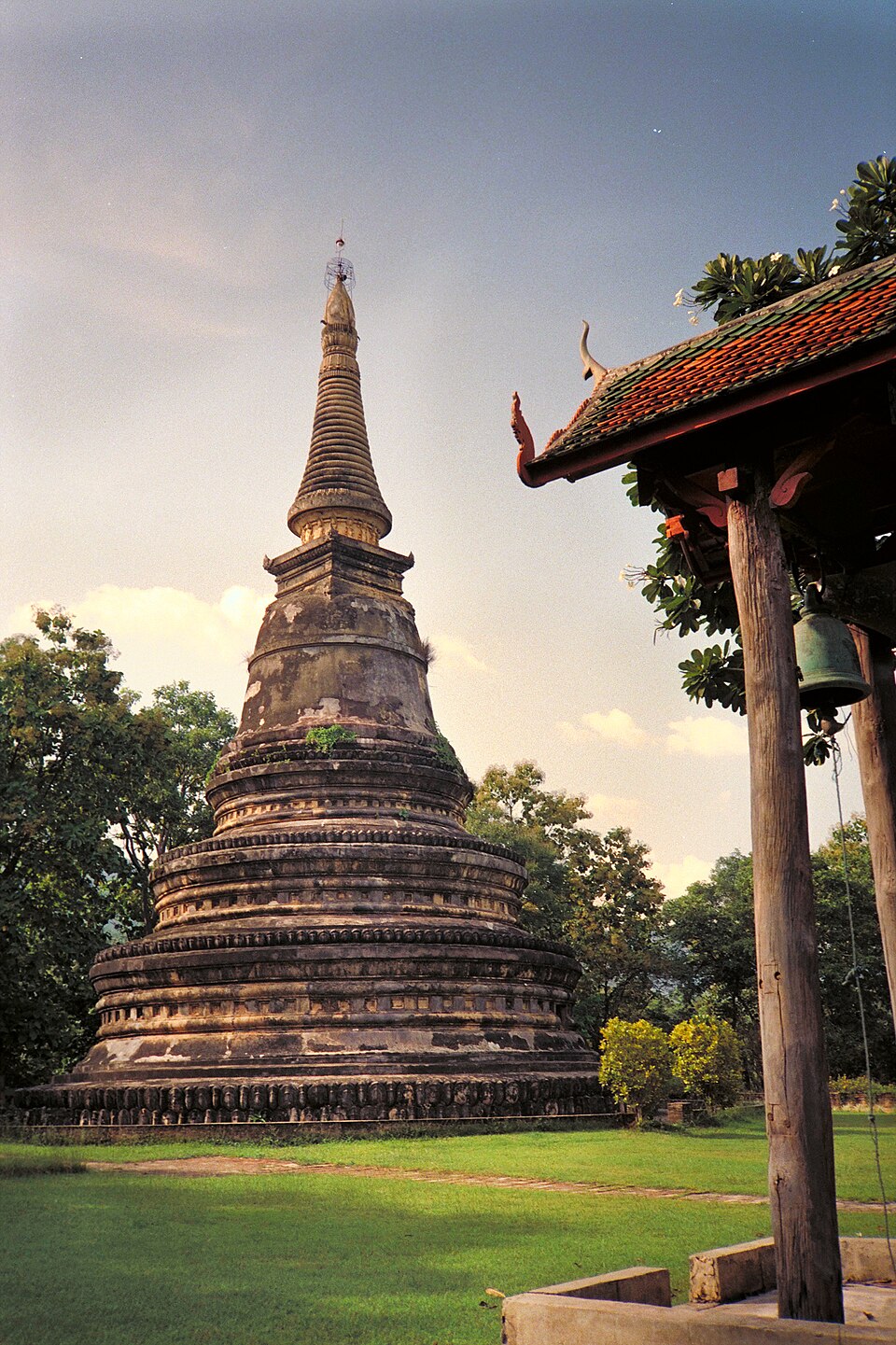
Finally, King Mangrai decided to build a separate forest monastery exclusively for the Sri Lankan monks in the area of 11 bamboo groves (the place known today as Wat Umong Suan Phutthatham). The purpose of building this temple was to commemorate the first introduction of Sri Lankan Buddhism to Lanna Thai. He therefore requested the Venerable Maha Kassapa to design the temple layout according to Buddhist doctrine and tradition. Once the Venerable Maha Kassapa had completed the layout, dividing the temple into Buddha-vāsa (areas related to the Buddha, such as the stupa and the ordination hall) and Saṅghāvāsa (areas related to the monks, such as the sermon hall, monks’ quarters, and the refectory), King Mangrai oversaw the construction of the new temple according to the plan, using Sri Lankan temple architecture as a model. Even the main stupa, the temple’s centerpiece, was built in the Sri Lankan style. (The stupa built by King Mangrai is the same large stupa that appears in Wat Umong Suan Phutthatham today, but the original is smaller; the larger one is less old and its beautiful carvings are still clearly visible.) It was King Kuena Thammarat, the 9th king of the Mangrai dynasty, who renovated the temple by covering the old structures with plaster and built a tunnel for the Venerable Maha Thera Chan (between 1910-1930 BE). After the temple was completed and celebrated, he named it Wat Velukattharam (Temple of 11 Bamboo Clumps). He then invited monks from Sri Lanka to reside there, practice monasticism, and spread Buddhism.
After building a temple for the Sri Lankan monastic order, he became deeply interested in Buddhism. He provided patronage to both Thai and Sri Lankan monks with the four necessities of life and regularly attended sermons. He would immediately undertake any action that would contribute to the flourishing of Buddhism.
In addition to his personal interest in Buddhism, His Majesty also encouraged members of the royal family and the public to study Buddhism, by visiting temples on Buddhist holy days to give alms, observe precepts, listen to sermons from monks, and practice meditation to find peace of mind.
The temple that the King, the royal family, and the people had the most faith in, visiting for alms, observing precepts, listening to sermons, and practicing meditation during that time, was Velukattharama Temple (Temple of Eleven Bamboo Groves). This was because the Sri Lankan monks residing there were well-versed in the Dharma and Vinaya, highly skilled in delivering sermons, and exhibited impeccable conduct and strict adherence to discipline more than other monks. The virtuousness of the Sri Lankan monks at that time attracted many young men to ordain as monks and novices. As time went on, the reputation of the Sri Lankan lineage spread far and wide, leading to the rapid flourishing of Sri Lankan-style Buddhism and its firm establishment in Lanna Thai for the first time during the reign of the King.
After King Mangrai’s death from a lightning strike at a crossroads in Chiang Mai at the age of 80 (1860 CE), religious affairs immediately began to decline. This was because subsequent kings who succeeded him as heirs to the throne, such as King Chai Songkhram (1860-1861 CE), King Saen Ku (1865-1871 CE), and King Kham Fu (1871-1877 CE), all resided in Chiang Rai and Chiang Saen, leaving only their heirs as viceroys. Furthermore, the kingdom was preoccupied with internal conflicts and power struggles for the throne among his elder brothers, uncles, and cousins."
https://www.watumong.com/web/ประวัติวัดอุโมงค์/