In Theravada Buddhism in Burma by Ray, Niharranjan (1946), the historical importance of the Jātaka Tales is pointed out. In chapter VII, the author writes:
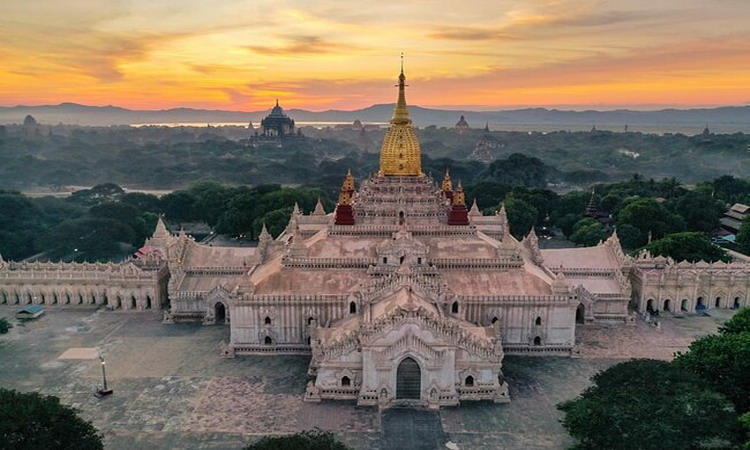
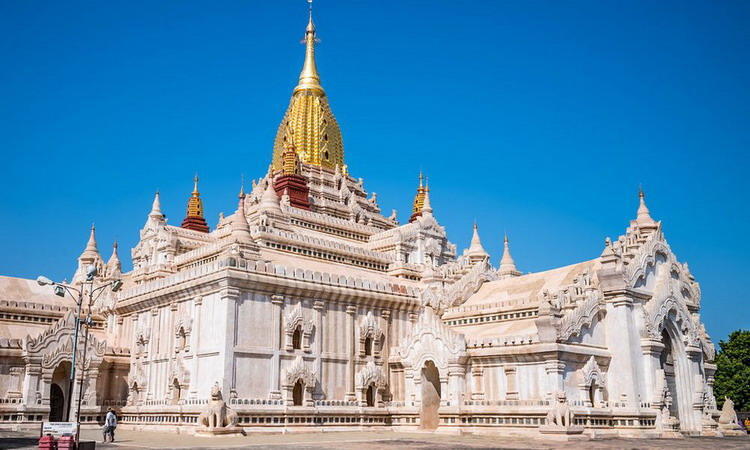
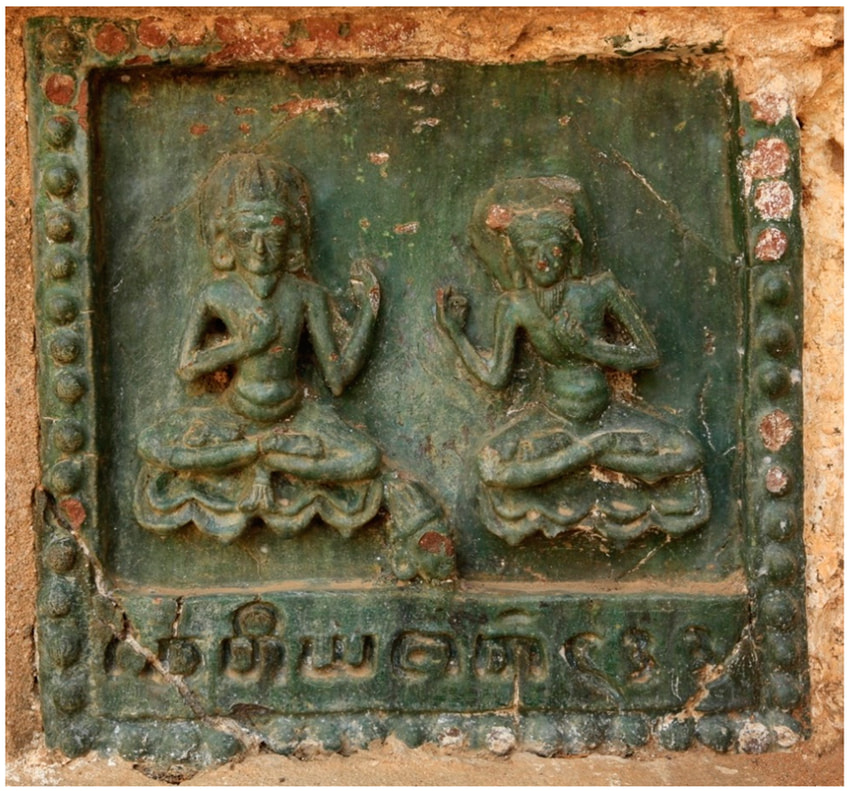
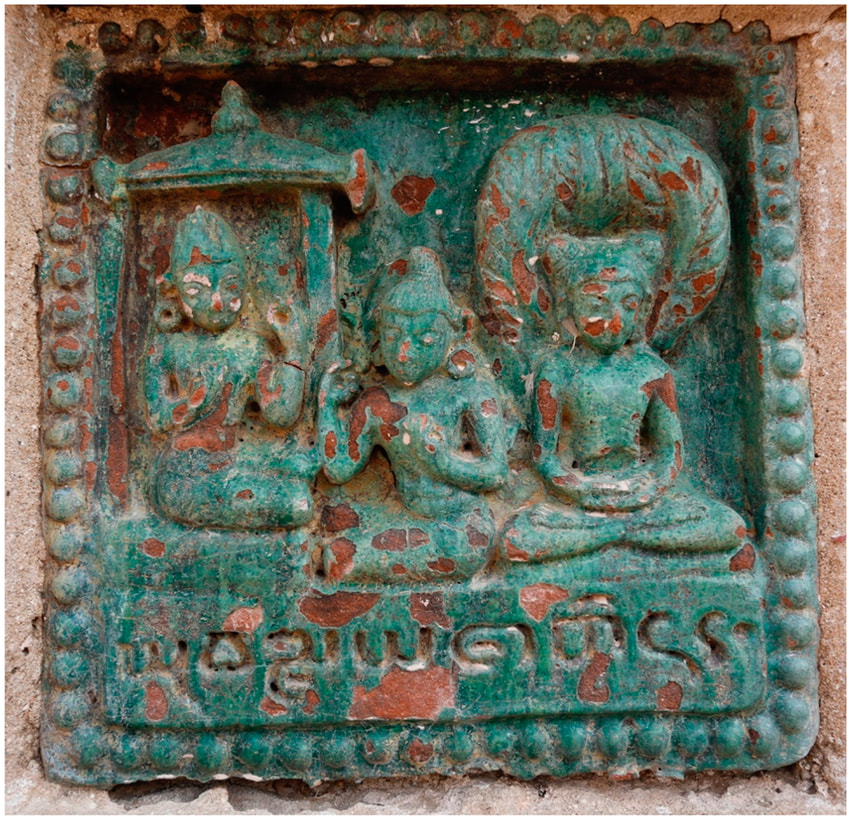
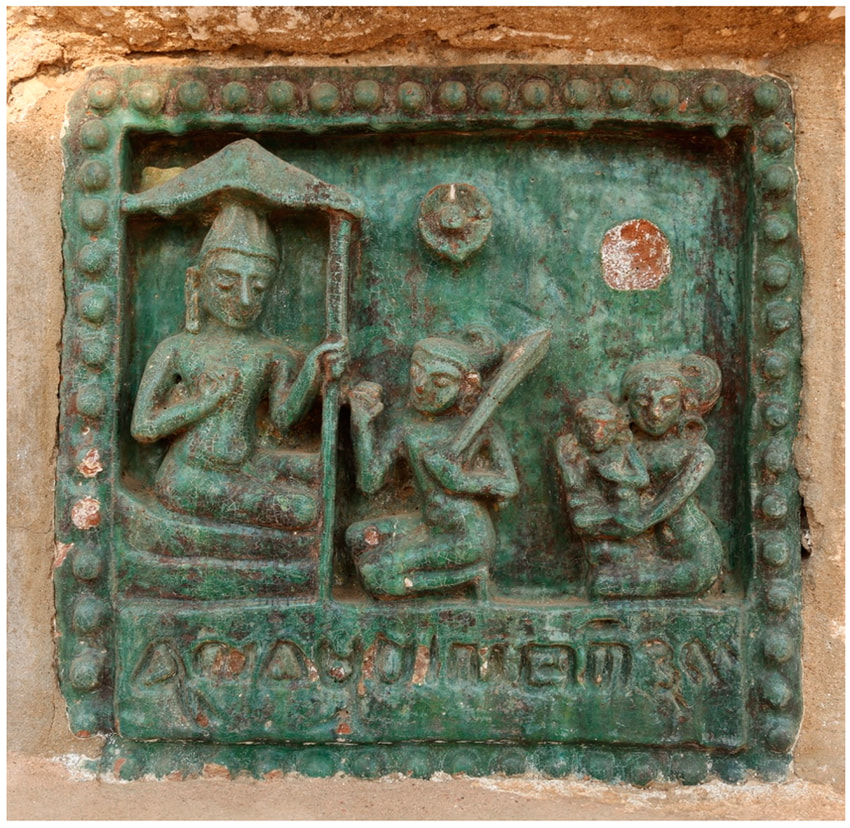
“In a preceding section we have incidentally referred to the representation of the entire repository of Jataka stories numbering 547, on the glazed plaques adorning the walls of the Ananda temple. “The jataka stories embodying, as they do, their moral and ethical teachings in the form of charming tales and fables,” says M. Duroiselle, “ were one of the most potent means for pressing the claims of Buddhism among the peoples of Indo-China; they have left a deep impression wherever the religion has become established.” This is true of all the Jatakas, but especially of the last ten long ones; and the most prized and read among these ten are: Sama, Mahajanaka, Mahosadha (Maha-ummagga) and Vessantara; they have been translated in prose and verse, and turned into theatrical plays in the case of Vessantara.
This predilection explains the great prominence given to these ten stories in the plaques of the Ananda, for, while the lesser Jatakas have only one plaque to each, these ten are illustrated by 389. In Burma, they form the subject of a voluminous literature, both in Talaing and in Burmese.” 81 Out of the total number of 547 Jatakas 537 plaques contain 537 shorter Jataka stories and the number and the order of the stories are the same as we find them in the Pali recension preserved in Ceylon and other countries professing Pali Buddhism. The last ten, i.e., the Mahanipata stories as we find them on the Ananda do not follow the traditional order. The reason is difficult to guess. 62 Nevertheless, it is evident that already by about the end of the eleventh century the entire corpus of Jataka literature was made familiar to the Buddhist fraternity of Upper Burma, and it is natural to magine that through these stories Buddhism made its appeal to the rude common people of the north and rapidly won their heart…”