In the commentary to the Digha Nikaya Buddhagosa supposedly says that when human life span is declining (e.g. right now), on average humans live 1 year less per every100 years, which if true is ridiculous, that would mean that the Romans lived 100 years on average, Egyptians 120 and so on, which is absurd.
Things like this can compromise the entire Commentary as in my view at least, every single thing should be correct.
It was mentioned by Gemini when discussing something else, now that I pressed it for the location and I checked and did not find it it said the location is not actually correct, it made up the phrase “vassasate vassasate ekameko saṃvaccharo hāyanto” or pulled it from somewhere else, sorry for the confusion, will double check next time.
Personally I tend to take the commentaries word for word so if something seems a bit off I prefer to discuss it.
It might not be a good idea to ask ai questions, especially on the free plans.
While we don’t have an ai policy. I really don’t appreciate people asking ai questions and then asking us to verify hallucinations. It is something you should not do with your doctor. It is something you should not do here.
However, ai is pretty good at translating.. even at cheaper models. ePitaka extension was carefully done using many different tools to achieve its current effect. A new translation of ePitaka is in the works right now.
Instead it is best to just use TPR and the ePitaka extension.
There you can search for terms in English and find what you want.
Searching for lifespan decrease gives many sources, but generally it is proportionate to the lifespan already in existence. Often it just says that due to bad morality, the lifespan went down or sometimes half.
It goes from uncountable to 10 years.
I’m actually working on an ai extension right now.
I’m just streamlining the way you choose the models.
Nevertheless, because we have ePitaka, we can search in English.
You can read anything you want directly in English. Please… give up this habit of using ai.
Yes ok I just asked once it is not like I keep doing it, my bad for not checking the exact paragraph, just never imagined it would actually make up pali phrases.
I will be using AI as I see fit as is my prerogative, no need to advise me on whether I should use AI or not and for what purpose.
In any religion dogmatic people have lots of issues with reality. The more pragmatic see the general principles of evolution of happiness and suffering dependent on kamma of an era.
History and modern science and evolution with evidence of fossil records etc show an even worse scenario than the people at the Buddhas time could imagine or know. i.e. Humans haven’t been on this planet forever 200,000 years or so. In the last 200 years since the beginning of industrial revolution we have come along in leaps and bounds. Human life span has been assisted by science to reach highest levels in known history. But we are talking average life spans. Were the buddhist texts talking average or maximums. Who knows. You will find a lot of unscientific stuff in the tipitaka if you think about it.
That being said there is a wealth of wisdom and knowledge held within the tipitaka that is really beneficial and lays down a great foundation for happiness for yourself and others travelling in samsara.
So in this limited time when we have access to an unlimited amount of knowledge with ease we should make the best efforts we can to work out how to not do evil, to cultivate what is good and to purify our own minds of greed, anger and delusion. Because according to science we have got less time than the Buddhist texts tell us as we are fast approaching a 6th mass extinction and we have out of ignorance really pushed our luck against nature. Humans are around on this planet much less than our Buddhist texts think.
I think modern science is discovering that aliens are actually us from long ago. They are also talking about dimensional beings. There is so much we don’t know. They actually won’t tell us because for some reason, if the world really knew the truth about UAP or the beings in them, they would freak out and the whole economy would collapse. That is what they say. It’s coming soon. But we are not sure what it is. Those who know, have trouble sleeping at night.
What a strange comment. Those who know sleep well I think. Those who don’t know have trouble sleeping. I think that is the Buddhist viewpoint at least.
“People believe anything, but if you tell them the truth they won’t believe you”. Quote from my father.
Richard Gombrich argues that the sutta’s overall structure reflects the Buddha’s original composition, functioning as a satirical allegory parodying Brahmanical cosmogonies, such as elements in the Ṛgveda (X.129) and Bṛhadāraṇyaka Upanishad (1.2), to critique origins of society, caste, and desire without positing literal metaphysics.[10] He attributes its inconsistencies—such as tensions with karmic rebirth doctrines—precisely to this parodic intent, aligning with the Buddha’s pragmatic rejection of ontological speculation in favor of ethical process, rather than evidence of later fabrication.[10] While Gombrich notes possible elaborations by disciples during oral transmission, leading to compilation in written form by the 3rd century BCE under Aśoka’s missions approximately 150 years post-parinirvāṇa, he views the core narrative as an early Buddhist response to contemporary Vedic debates, not a peripheral or post-Buddha invention.[10]
Critics like Buddhaghosa (5th century CE) interpreted the text literally in commentaries such as the Visuddhimagga, struggling to reconcile its mythical elements with orthodox doctrine, which Gombrich sees as a misreading that underscores the sutta’s intentional humor and allegory rather than undermining its authenticity.[10] T.W. Rhys Davids estimated the Dīgha Nikāya’s completion within a century of the Buddha’s death, reinforcing its place among the four principal Nikāyas as a coherent expression of a single innovative mind, per Gombrich’s assessment of their originality.[9] No definitive textual or historical evidence points to wholesale late composition, though minor interpolations in some Dīgha suttas are acknowledged; the Aggañña Sutta’s engagement with 5th-century BCE Indian thought patterns favors an early dating over skeptical views positing heavy 5th-century CE redaction by figures like Buddhaghosa.[9]
There is no rebirth in the Brahma world without jhana, and some beings are oppressed by the scarcity of food, and some are incapable of attaining jhana. How are they reborn there?
There are other cakkavala(s). Some are habitable and some are uninhabited. When a cakkavala is destroyed (by fire, water or wind), some beings with great merits are reborn in the brahmaloka. Hell-beings, who must remain in hells, are reborn in the hells of other habitable cakkavala(s).
Idk about that exact timeframe but it is stated the ancient humans lived longer.
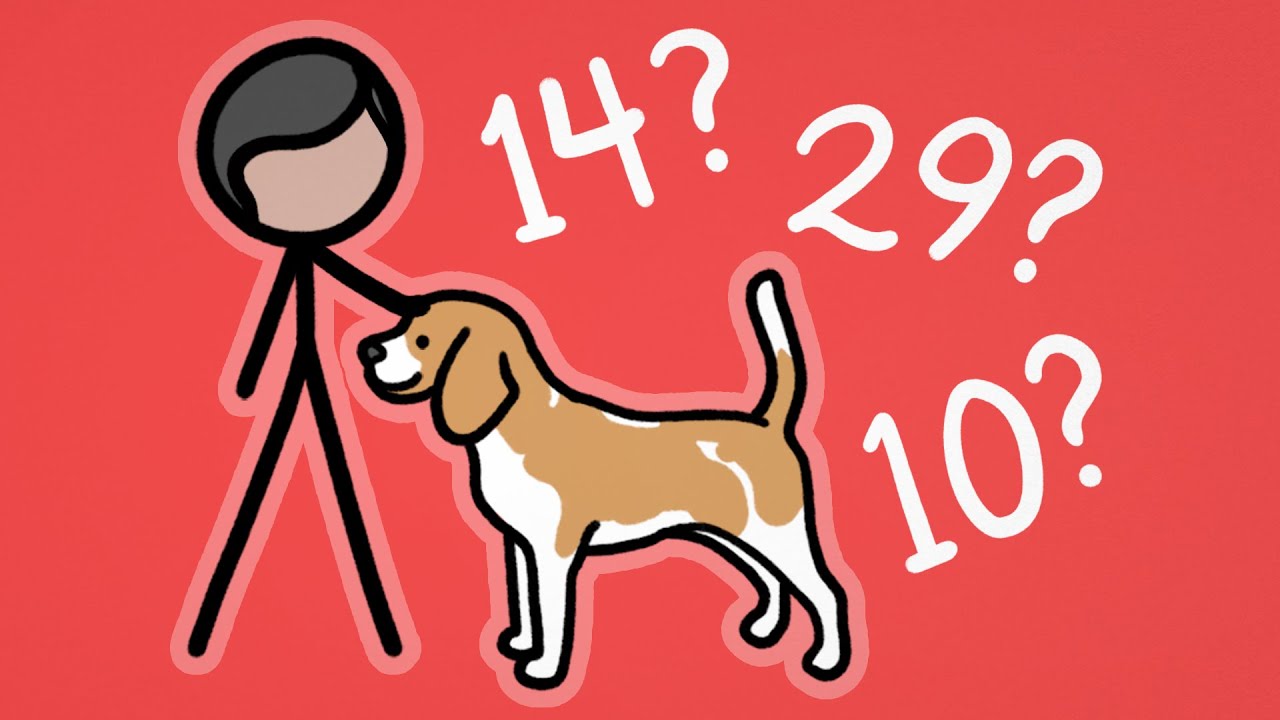
But its actually not that ridiculous to say the Romans lived for 100 years. When the Buddha talks about lifespan hes talking about “Natural” lifespan, not lifespan cut short by disease or war. This video basically refutes the common modern misconception that modern humans “lived longer” than humans from the 1800s. Basically, when the Buddha talks about lifespan hes talking about the manner in which modern humans determine the lifespan of dogs, not how we currently record the avg lifespan of humans or seaturtles.
Even if the natural lifespan of the Romans was 100 years or so. The actual lifespan would be much shorter because this was cut down by disease, war and infant mortality that plagued pretty much all societies before the industrial era.