How do we pronounce the letter ‘V’ in pali? Should it be pronounced as a ‘w’ or a ‘v’? So, would deva be pronounced as ‘deva’ or dewa’?
Hi, HappinessSeeker.
Sometimes you will hear it pronounced the same way it was in Classical Latin, the same as Eleanor Dickey pronounces the v in “nos vos” here, at the following link:
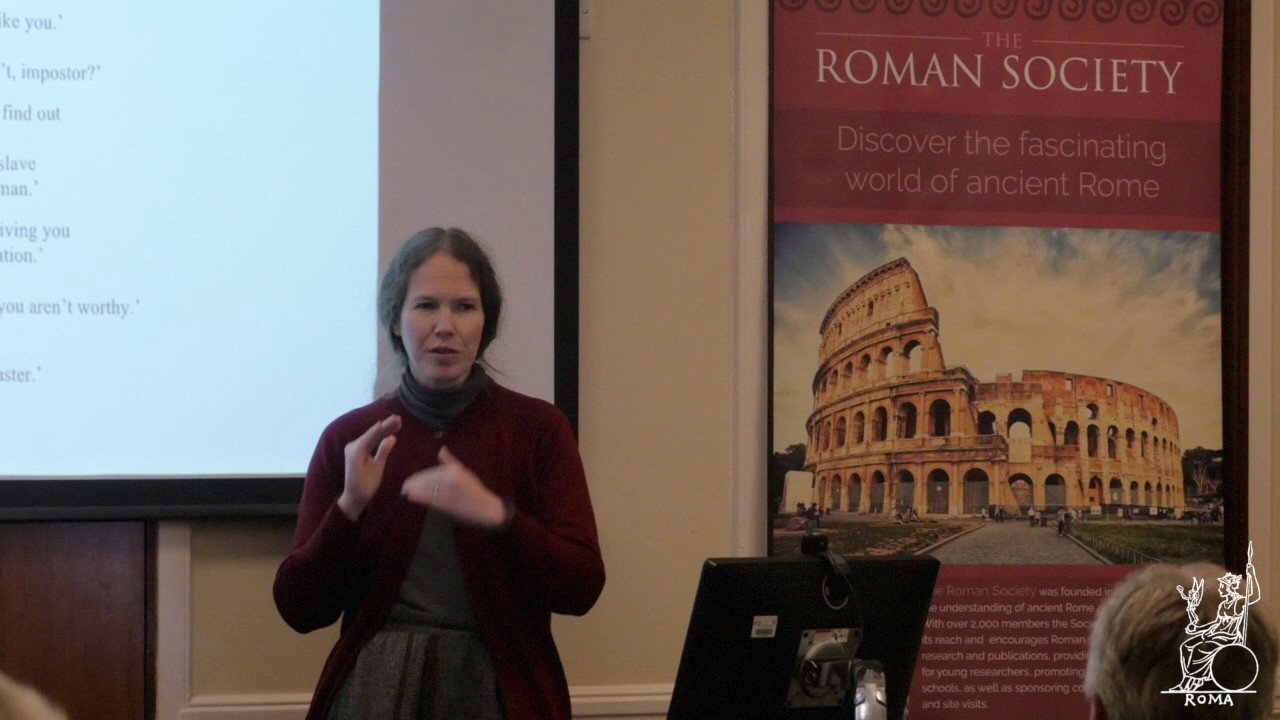
But technically, it is really a sound between a ‘v’ and ‘w’, known as a labiodental approximant.
I’m not an expert, so some of our other users’ input might be more helpful, in general, if you have questions about Pali.
R
1 Like
Thank you for answering and sharing the video. It sounds closer to a w than a v.
1 Like
Hmm. I always thought it was just “labiodental”. I think the ancient grammars describe it that way. I’m not sure how you could have any “dental” involvement without it mostly sounding like a “v”.
I suspect how different places pronounce it is more strongly influenced by the native language.
1 Like
Yes, I think this leads to a lot of variation.
R
In Myanmar they clearly pronounce as a “W” like americans say “walk” or “water”.
However, the following is in:
niruttidīpanīpāṭha
The Exposition of Etymology
byañjanavuttirāsi
Section on the Pronunciation of Consonants
(page 5)
vakāro dantoṭṭhajo.
The letter Va is teeth-lips-born.
ai translated from TPR’s new epitaka. Often technical grammar books are difficult to translate especially this particular book.. however.. this single line item is quite simple and even I can verify this is correct.
A “W” would not have the lips touch the teeth.
3 Likes
Thank you for this, Venerable Sir. I will look into Niruttidīpanīpāṭha.
TPR with the latest extension supports “deeplinks.” That means you can click on the link below and it will open the app and the book directly to where you need to go.
bookID: annya_sadda_10
name: niruttidīpanīpāṭha
pageNumber: 4
note: Find the letter pronunciation here.
selected_text: byañjanavuttirāsi
Section on the Pronunciation of Consonants
Link:
Opening Sutta...
2 Likes
There are also a few examples (I count 3) of the sound given at this link:

R
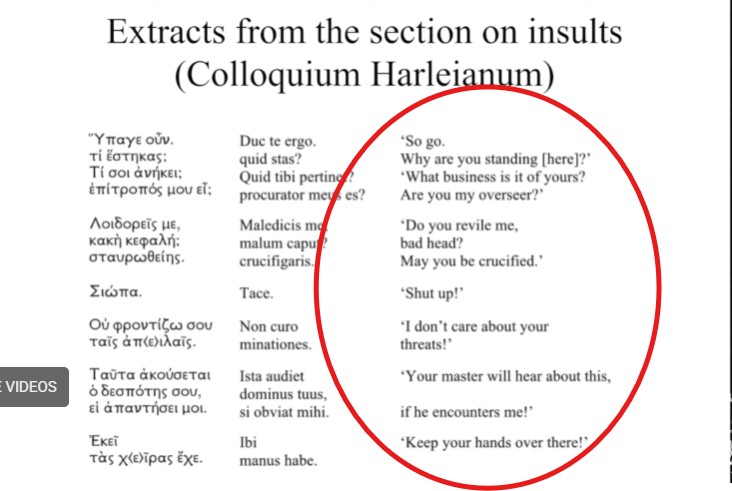
Some of the phrases certainly are interesting:

R
I don’t think that latin should be included in discussions on pali pronunciation.
3 Likes
Understood, bhante. I will not include such discussions here.
R
1 Like
Came across the following (sandakasuttaṃ)
‘svāgataṃ bhoto ānandassa’
‘svāgata’ is a combination of ‘su’ and ‘āgata’
This is actually practically confirmable by oneself
Pronouns ‘u’ and after a gap pronouns ‘a’. Repeat but, progressively shortening the gap and see what sound comes out.
u…a
u..a
u.a
ua
u+a=v
Personally I think pronunciation of ‘v’ should resemble the pronunciation ‘u’. Hence like the the English ‘w’. But in practice due to influence of sounds that come before/after slight touching of the lower lip with the upper teeth may happen but it’s not a distinguishing characteristics.
Danta part of the definition “vakāro dantoṭṭhajo”,
I think, comes from the movement of the tongue towards the root of the upper teeth.
Let’s not lose sight of the texts we have compared with opinions.
2 Likes
Dear Bhante,
We can’t read parts of grammar texts in isolation.
Previous to the definition of ‘v’ , the text defines what is meant by dantaja and otthaja.
Tip of the tongue and upper teeth define, dantaja
Use of both lips(otthadvaya) defines, otthaja
Unless otherwise stated, these definitions carry forward.
And
‘vakāro dantoṭṭhajo’ does not say otherwise, for it to do so, we would expect words like adharottha etc.
Like it was said before. If it is not possible, the letters change.. For instance double v turns into bb. In most cases, and that is what we are talking about, the letter is read the way it is read. Please don’t pick one off cases and make ti seem like it is normal. That is not right to do and what often happens in Internet Dhamma. That is why the world thinks that rejecting the commentaries is mainstream. It is just the small portion of the community (on the internet) who do this.
√vac
suvaco = easy to speak to
dubbaco = one who does not listen (difficult to speak to)