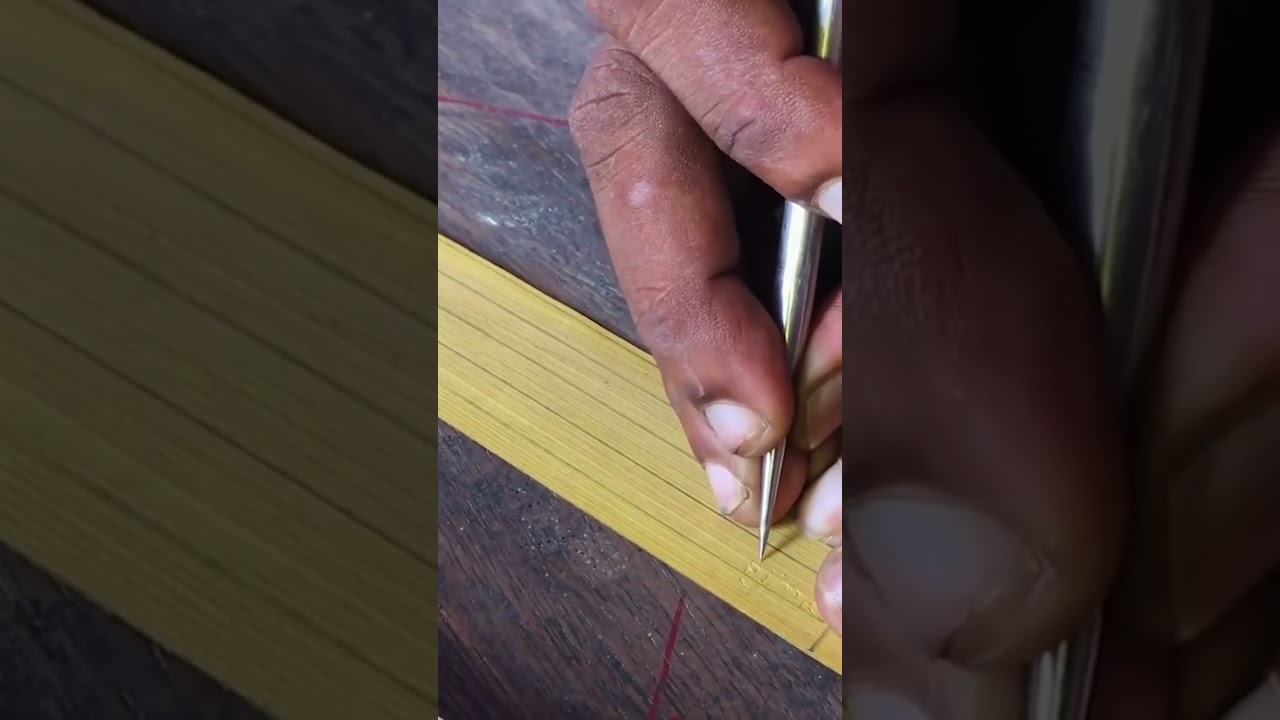
R
R
Throwaway culture:

It’s a serious problem, and its worth watching the whole video.
Our culture is not even serious about preserving its own modern artifacts; so why in the world would we believe it would be serious about preserving ancient knowledge, and particularly ancient foreign knowledge?
R

But wait, doesn’t Amazon own Kindle, the largest seller of ebooks on the planet?
Oh yeah, they do…
https://www.youtube.com/watch?v=BthLH5qBXQ8
R
The cloud is a battlefield, and you (and your books…) are enlisted.
R
"The conversation we should have had five years ago needs to happen now, with more urgency and less deference to the industry that created this situation.
The first fix is straightforward: military workloads need to be segregated from civilian cloud infrastructure. If the government wants to run AI targeting systems, it should build dedicated facilities on military land, behind military security perimeters, with appropriate classification controls. The Pentagon is already moving in this direction with its military base proposals, which means it knows this is the correct architecture. The remaining question is whether they will also commit to removing classified workloads from commercial infrastructure, or simply add military-dedicated capacity while continuing to use AWS for everything else because it’s cheaper. That loophole needs to be closed through legislation, not left to the discretion of procurement officers."
https://thedreydossier.substack.com/p/the-cloud-is-a-battlefield-and-youre
The author’s write-up is excellent. But I don’t think she’s read Unrestricted Warfare. All of the data centers need to be built in underground secured facilities, not just the dedicated military ones, as she suggests.
R
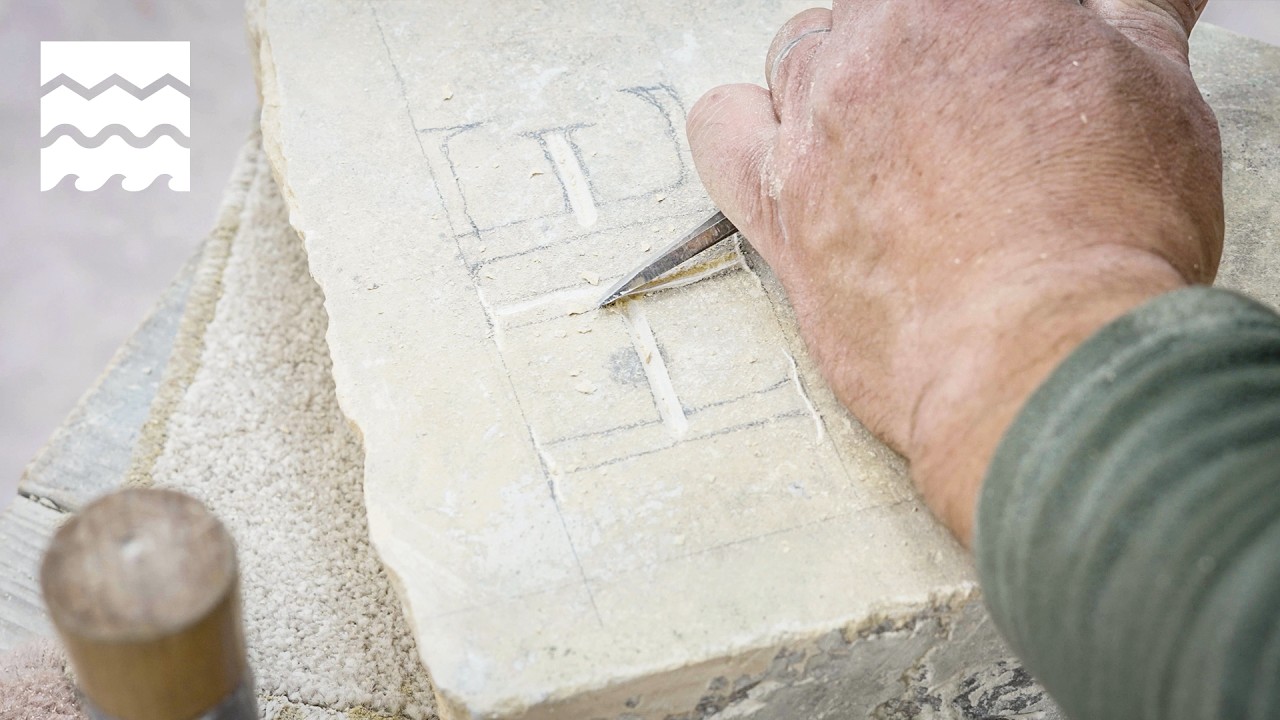
A master stonemason demonstrates his craft by carving letters into stone:
R
After AWS data centres in Dubai hit, why Amazon and Microsoft may be looking to reroute West Asia data centre workload to these cities in India:
“Immediate capacity is being sought in locations including Mumbai, Chennai, Hyderabad, Kochi to reroute critical workloads, especially for banking clients. Keeping latency in mind, these are the best-suited locations,” an executive at an infrastructure company told ET.”
The unspoken truth about designing data centers in India:
Everyone wants to build the next hyperscale marvel. But behind the glossy renders and ribbon cuttings lies the gritty, complex, and often chaotic reality of designing data centers in India – especially in the AI era.
What works on paper rarely survives first contact with Indian ground realities."
R
This video got me thinking. We know the whole Tipiṭaka has been carved into stone before, for its preservation, such as at the Kuthadaw Pagoda and the nearby Sandamuni Pagoda, by King Mindon (see below). But just look at the small portable stone that the man carves in the video above. That could be extremely practical for carving the whole Tipiṭaka into smaller (maybe 20 or 30 lb) stones, which are portable (and which would have smaller letters than the man used in the video, in order to fit much more text onto each stone) and which could be kept at a monastery or various monasteries for safekeeping. Yes, it would take up a lot of space. But this would preserve the Tipiṭaka (and its Commentaries) in its entirety for another 10,000 years potentially (and if the Sāsana only lasts for 2,5000 more, then until that time).
There wouldn’t be any need for all of the ornateness, fancy engravings, or pagodas built around the stones that King Mindon amazingly accomplished, as the purpose here would be a much simpler and much more practical one. It would simply be to preserve the teachings long-term, rather than to preserve and honour them in a beautiful and historic public display, as the King did.
I wonder if anything like this has been done before. Again, the purpose would be simply to preserve them so a record would always be available. If this had happened in the past, the monks wouldn’t have had to continuously recopy all of the palm-leaf manuscripts every 100 - 150 years due to decay (at least they wouldn’t have to wherever the stones resided). And they would know that the lettering and meaning would go absolutely unchanged over time. It’s something to think about, possibly for the future…
Homage to the Three Jewels.
R
As I mentioned earlier this was done in Thailand 40 years ago at Nakhon Pathom:
Therefore both the Burmese edition (Mindon’s revision was the base source for the 1950s “sixth council” edition)
And the Thai edition have been engraved, the latter on 1500 marble slabs.
It would obviously be beneficial to have the same done for Sri Lanka’s edition.
Other than that we still don’t have a truely critical edition of the canon so which version do you propose needs engraving.
Also where would they be kept?
Even stone inscriptions have a short life span (quite comparable to palm leaf manuscripts) in south east Asia if they are exposed to the torrential rain we have here.
While the merit made would be incalculable, the dhamma wouldn’t be extended without the oral instructions and practioners of said texts all 3 would need to be protected.
I’m all for sponsoring and supporting the continuation of the skills, crafts, knowledge and ceremonies needed to make palm leaf manuscripts though.
Namo Buddhāya 